Ebola
Risk of Spread Beyond Central Africa
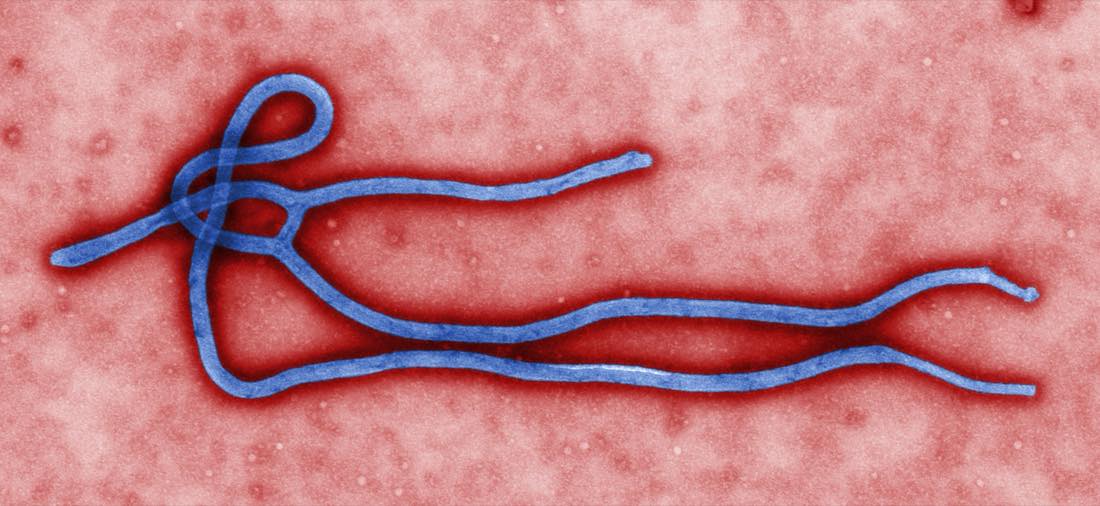

An Ebola epidemic caused by the Bundibugyo virus has infected more than 9,600 people in the Democratic Republic of the Congo since May and killed nearly half of them. On Oct. 20 Nigeria became the fifth country to detect a case. This page tracks how far the virus is spreading beyond Central Africa, how real the risk is to West Africa, Europe and the United States, and which viral claims don’t hold up.
The epidemic in eastern Congo is the second-largest Ebola outbreak on record and, according to WHO, has moved faster than any before it. Cases have reached Uganda, France, Kenya and now Nigeria. Kenya is the only country outside Congo and Uganda with onward spread so far, all within a known cluster that includes three health workers. No case has been reported in the United States, and CDC rates the risk to Americans as low. The rating rises if a case appears outside known contacts in Nigeria or Kenya, or in a major transit hub.
What would change this rating ↓
ebola.america2.newsSteady in Congo, speeding up abroad
Congo’s confirmed cases have held near 500 a week since July. The spread abroad has not held steady. For five months, one case reached a country outside Congo and Uganda. In October two did in two weeks, both by commercial flight, and Kenya’s first case infected health workers who treated him. The outbreak has now reached central, western and eastern Africa, farther across the continent than any previous Ebola outbreak (CNN).
Bars (lower chart) show the average weekly increase between published totals, so their widths vary. Hover or tap a bar or dot for details; on phones, swipe the chart sideways. Sources: STAT, CDC, WHO.
When would Europe and the US face a real threat?
Mostly not from eastern Congo itself, where the outbreak is concentrated far from international airports. France’s one case was a returning aid doctor. The risk comes from spread in an African air hub with direct flights to Europe, such as Lagos, Abuja or Nairobi. Each step below would show up first in the tripwires.
- LowCases abroad are isolated and nobody else is infected.
- ElevatedImported cases in African hubs. Spread stays inside known contacts (Kenya). Exports to Europe are rare and isolated (France, June).
- HighCases appear outside the known contact lists in Nigeria or Kenya, or in a new hub. This is the step that would put Europe and the US at real risk of repeated imported cases.
- SevereSustained community spread in a hub. Expect repeated exported cases to Europe and the US.
History sets the scale. The 2014–16 West Africa epidemic infected more than 28,600 people. It reached seven more countries, including Spain, the UK and the US, and caused secondary infections in four of them (WHO). Imported cases in rich countries have so far been contained. The danger is many cases in an African hub at once.
Get America 2.0 in your inbox
Analysis of Russian influence, information warfare and the networks behind them. Free; unsubscribe anytime.
Latest reports
New reporting from major outlets and official sources, listed as it appears. Our monitoring adds headlines from major outlets automatically. "Checked" means our software fetched the full report and confirmed it supports its headline. "Reviewed" means an editor checked it against its source. "Auto" items have not been checked yet. Tap a label for our note. None of this is an endorsement. Our assessment is the rating above.
- Information for Travelers Returning from Ebola-Affected Areas (Centers for Disease Control and Prevention | CDC (.gov))
auto ▾
Not checked yet. Listed automatically because it comes from a major outlet or official source. - US to impose Ebola attestation requirement for international air passengers (Reuters)
reviewed ▾
An editor checked this report against its source. (2026-10-22) - WHO warns ‘more complex’ Ebola outbreak now present in 3 African countries (Al Jazeera)
reviewed ▾
An editor checked this report against its source. (2026-10-22) - Passengers face heightened Ebola screening at Lagos airport (Reuters)
reviewed ▾
An editor checked this report against its source. (2026-10-22) - Alors que le Nigeria enregistre son premier cas d'Ebola, le Bénin et le Cameroun voisins sont en alerte (DW.com)
reviewed ▾
An editor checked this report against its source. (2026-10-22) - Nigeria says Ebola case remains isolated, urges calm (Reuters)
reviewed ▾
An editor checked this report against its source. (2026-10-22) - Nigera : l'OMS en alerte après un premier cas d'Ebola (France 24)
reviewed ▾
An editor checked this report against its source. (2026-10-22) - Ebola Outbreak in Africa Reaches Widest Expansion Ever (The New York Times)
reviewed ▾
An editor checked this report against its source. (2026-10-22) - Nigeria on alert after traveler tests positive for Ebola (DW.com)
reviewed ▾
An editor checked this report against its source. (2026-10-22) - Late detection in Nigeria raises alarm as Ebola spreads across Africa (Reuters)
reviewed ▾
An editor checked this report against its source. (2026-10-22)
What would change this assessment
The rating measures the risk of spread beyond Central Africa. It moves on confirmations from health ministries, WHO, Africa CDC, CDC or ECDC, or tier-one reporting that cites them. Suspected cases, rumors and social-media reports do not move it.
- not seenA case outside the known contacts in Nigeria or Kenya, or a health worker infected in Abuja, where the patient was treated in a private hospital for about nine days before diagnosis.
- not seenA new country confirming a case, above all a major transit hub such as Lagos, Nairobi, Addis Ababa or Kinshasa.
- not seenA case diagnosed in Europe or the United States outside a planned medical evacuation.
- not seenWHO raising its regional or global risk above “low,” or CDC adding Kenya or Nigeria to its entry order (next renewal due about Nov. 10).
- not seenWould move down: Kenya and Nigeria pass 42 days with no new case, and weekly cases in Congo fall for three weeks running.
What is actually known
- The scale. Congo has reported 9,637 confirmed cases and 4,646 deaths as of Oct. 20, in at least seven provinces, led by Ituri and North Kivu (CDC). WHO’s Tedros Adhanom Ghebreyesus called it the second-largest Ebola outbreak on record and said it is “moving faster than any previous Ebola outbreak” (WHO, Aug. 18).
- The trend. In WHO’s last outbreak notice, weekly cases were roughly flat at about 480, and contact tracing reached about 80% of contacts (WHO, Oct. 8). Responders say many cases are found only after death and some areas are held by armed groups.
- Outside Congo. Uganda had 20 confirmed cases and two deaths; its outbreak was declared over on July 28 (Al Jazeera). France had one case, a doctor who had worked in Bunia (CP24). Kenya has nine: a man who flew in from Kampala on Oct. 3 and died on Oct. 5, then relatives and three health workers who treated him. The health ministry says there is no sign of community spread (Al Jazeera; CDC).
- Nigeria. A woman who arrived by air with recent travel to Uganda fell ill on Oct. 7, sought care in Abuja on Oct. 11 and tested positive on Oct. 20. 44 contacts are being monitored, and investigators are still working out where she was infected (WHO Africa).
- No vaccine or treatment is licensed for this strain. The existing Ebola vaccine, Ervebo, targets the Zaire strain; it is being tested in Congo in a ring-vaccination trial (CIDRAP). Bundibugyo-specific vaccines are in early human trials (STAT).
- The United States. No case has been reported on US soil, and CDC rates the risk to Americans as low (CDC). Since May 18 the US has barred entry to non-citizens who were in Congo, Uganda or South Sudan in the previous 21 days, renewed every 30 days (CDC order). Kenya and Nigeria are not covered.
- Emergency status. WHO declared a public health emergency of international concern in May, and Africa CDC declared a continental emergency the next day (STAT). WHO rates the risk as very high in Congo, high in neighboring countries and low regionally and globally (WHO).
Claims in circulation
The most-shared claims, and what public sources can confirm. Tap the link icon on a row to share it.
ConfirmedThis is the fastest-moving Ebola outbreak on record.
WHO Director-General Tedros, Aug. 18. Congo passed 1,000 cases in about 40 days, against 235 days in the 2018 outbreak (CDC).
DisputedNigeria’s patient caught the virus in Uganda.
Accounts conflict. Nigeria’s health minister and Africa CDC’s chief told the BBC she spent two and a half weeks on holiday in Kampala and changed planes in Addis Ababa on the way home. Uganda’s health ministry says she went to eastern Congo on business and only passed through Uganda, and that it has no active cases. Investigators from Nigeria, Uganda, Ethiopia and Africa CDC are working to establish where she was infected (BBC; Vanguard; Health Policy Watch).
MisleadingBitter kola and high-dose vitamin C can stop Ebola.
Posts by a Lagos deputy-governor candidate, citing 1999 lab work. The researcher called his own results inconclusive (FIJ).
No evidenceSwallowing mica flakes treats Ebola.
A widely shared Facebook post in Nigeria. Mica-type minerals sold for eating can contain arsenic and lead (FactCheck Africa).
No evidenceZinc, baking soda or elderberry are “secret cures” being hidden.
Wellness influencer accounts that sell supplements (Céline Gounder). No treatment is licensed for the Bundibugyo strain.
FalseThe outbreak is staged or a hoax.
Social posts in Congo and abroad, including claims of a political fabrication (Céline Gounder). More than 9,600 cases are laboratory-confirmed (CDC).
No evidenceThe outbreak is linked to US biolabs in Africa.
A Sputnik Africa podcast segment on May 19, according to a Konrad Adenauer Foundation report on health disinformation (KAS). Bundibugyo virus was first identified in Uganda in 2007.
What independent experts say
- Jean Kaseya, Africa CDC: calls it the most geographically extensive Ebola outbreak in history, with mortality near 50% (PBS). He has called a meeting of all African health ministers for Oct. 28; if they cannot find ways to stamp out the outbreak, he said, “the whole continent can be affected” (New York Times).
- Krutika Kuppalli, infectious-disease physician: travel bans “do little”; “viruses exploit weak public health systems — not commercial airline schedules” (STAT).
- ECDC: rates the risk of importation into the EU as very low (ECDC).
What to watch next
- Nigeria’s 44 contacts: whether any fall ill before their 21-day monitoring ends, and where the patient was infected.
- Kenya’s cluster: whether new cases stay inside the known contact list.
- CDC’s entry order, due for renewal about Nov. 10: whether Kenya or Nigeria is added.
- WHO’s next outbreak notice: the weekly case trend in Congo and any change to its regional risk rating.
- The Oct. 28 meeting of African health ministers called by Africa CDC, and any joint measures it produces.
Timeline
- May 15Congo confirms Bundibugyo Ebola in Ituri; Uganda reports an imported case in Kampala.
- May 17WHO declares a public health emergency of international concern.
- May 18Africa CDC declares a continental emergency; CDC bars entry from Congo, Uganda and South Sudan.
- Jun 24France confirms a case in a doctor returning from Bunia.
- Jul 28Uganda declares its outbreak over.
- Aug 18Tedros: the outbreak is “moving faster than any previous Ebola outbreak.”
- Oct 6Kenya confirms its first case, a man who flew from Kampala to Nairobi.
- Oct 17Kenya reaches seven cases, including three health workers; nine by Oct. 20.
- Oct 20Nigeria confirms an imported case in Abuja; 44 contacts monitored. Congo reaches 9,637 confirmed cases.
Key sources
- CDC: Ebola situation summary (case counts by country)
- WHO Disease Outbreak News, Oct. 8
- WHO Africa: Nigeria confirms imported case
- ECDC outbreak page
- CDC entry order